Precision small arms, rotary-wing sustainment, and unmanned aerial systems — every platform we bring forward is qualified against documented technical and environmental criteria before it reaches an end customer.
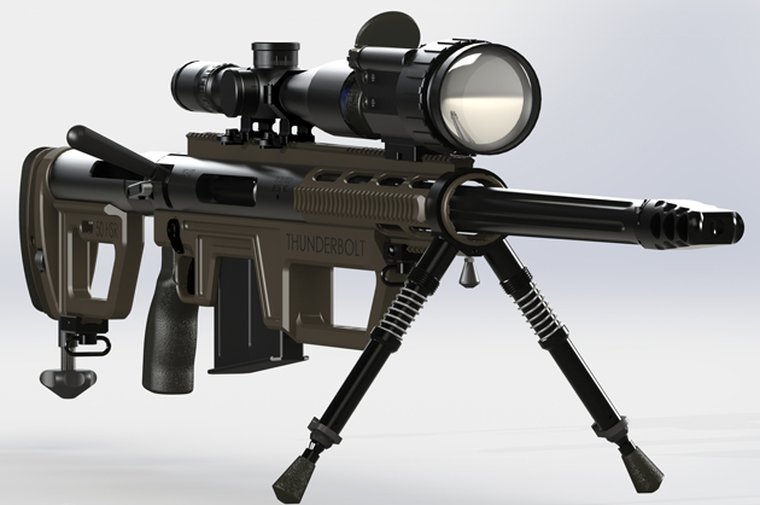
Excel Systems structures small-arms procurement from OEM qualification through formal trials to induction — as demonstrated by the Thunderbolt-76 Light Sniper Rifle program, sourced through our UK partnership with Steel Core Designs Ltd and selected by the Pakistan Army after a three-year trials process.
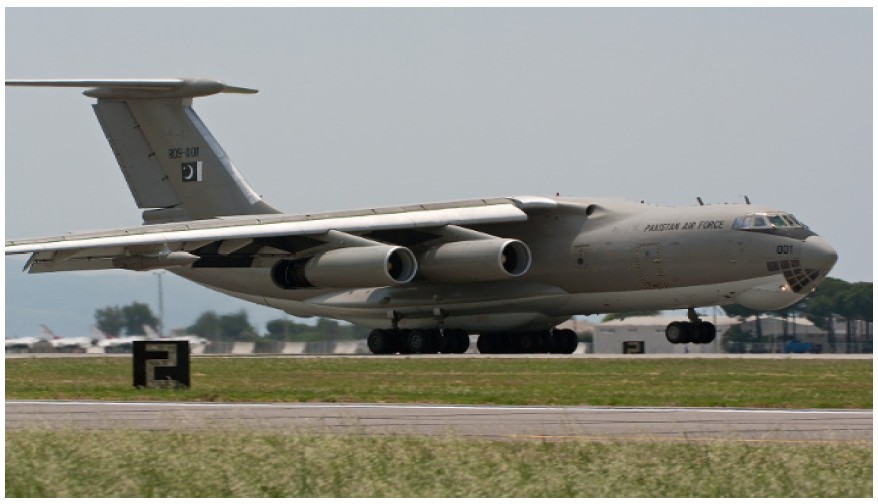
Through our long-standing relationship with Aviaexport PLC, Excel Systems provides continuous sustainment support for Pakistan Army's rotary-wing fleet — parts, repair, and rate-running contract support that keeps a working fleet working.
The skies are changing, and Excel Systems is changing with them. Building on the same discipline that has defined our rifle and rotary-wing programs — rigorous OEM qualification, uncompromising compliance, and end-to-end program stewardship — we are extending our integration practice into unmanned aerial systems, evaluating platforms from established international manufacturers to meet the evolving requirements of Pakistan's defense forces.
This is not a departure for us. It is the same craft, applied to a new frontier.
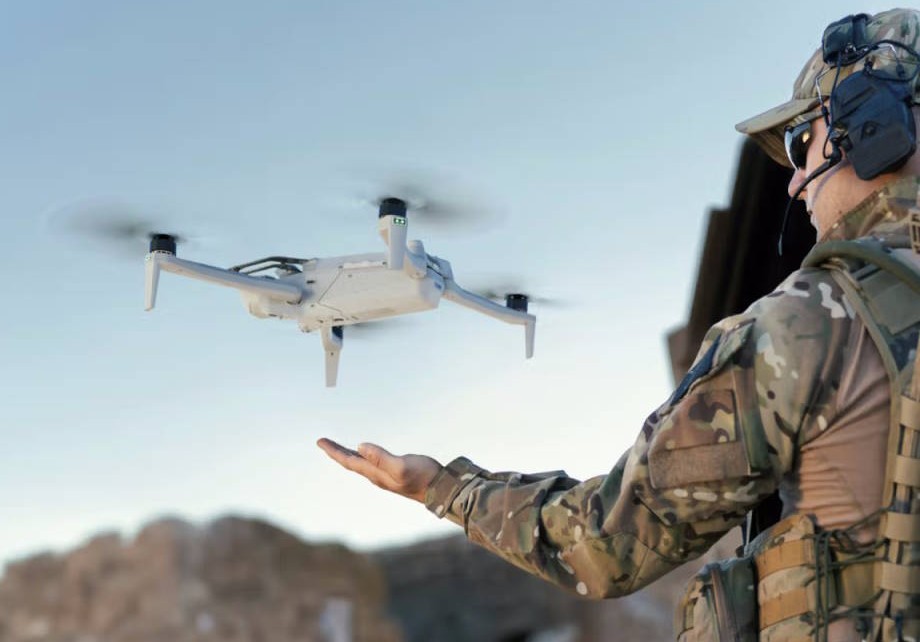
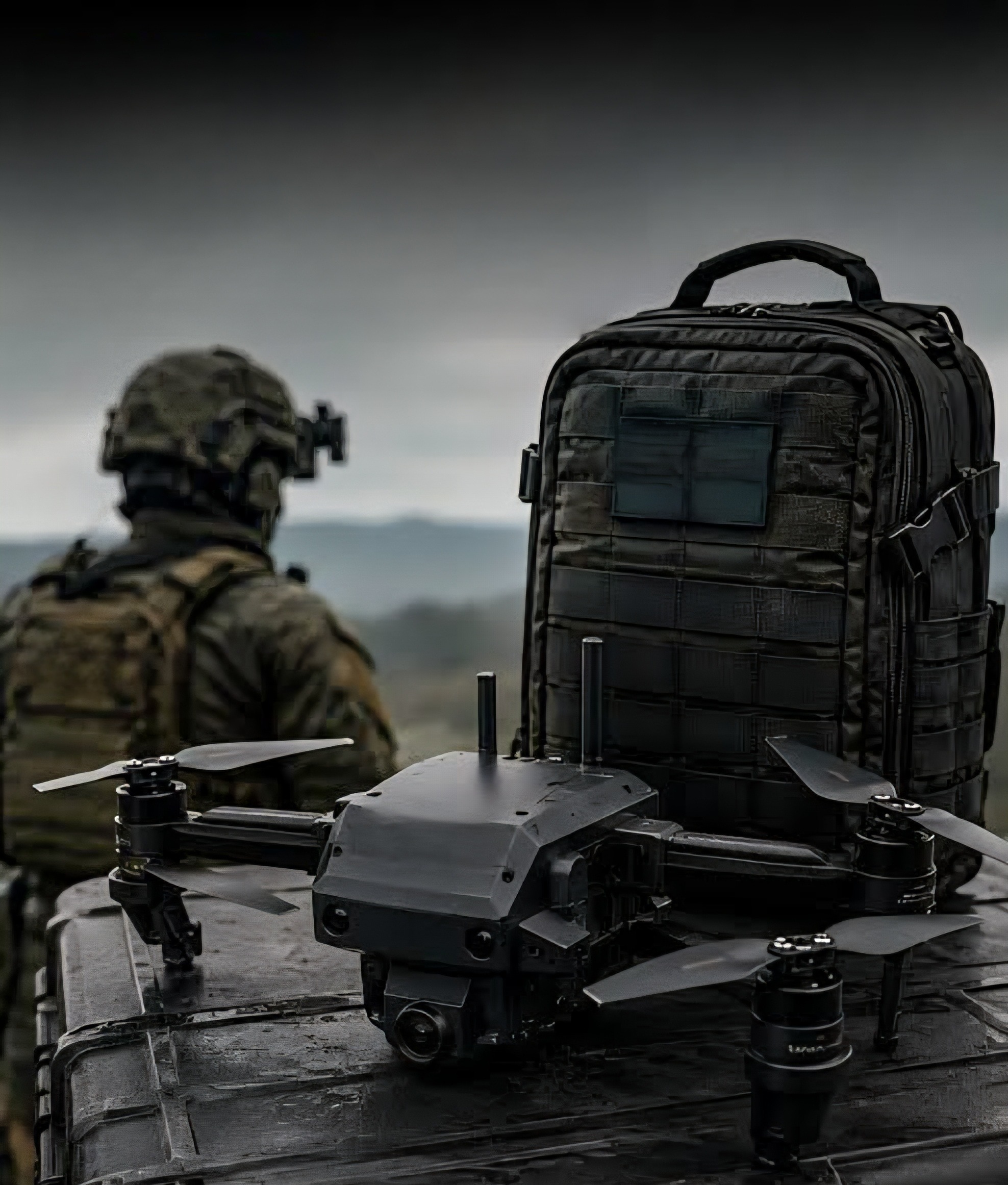
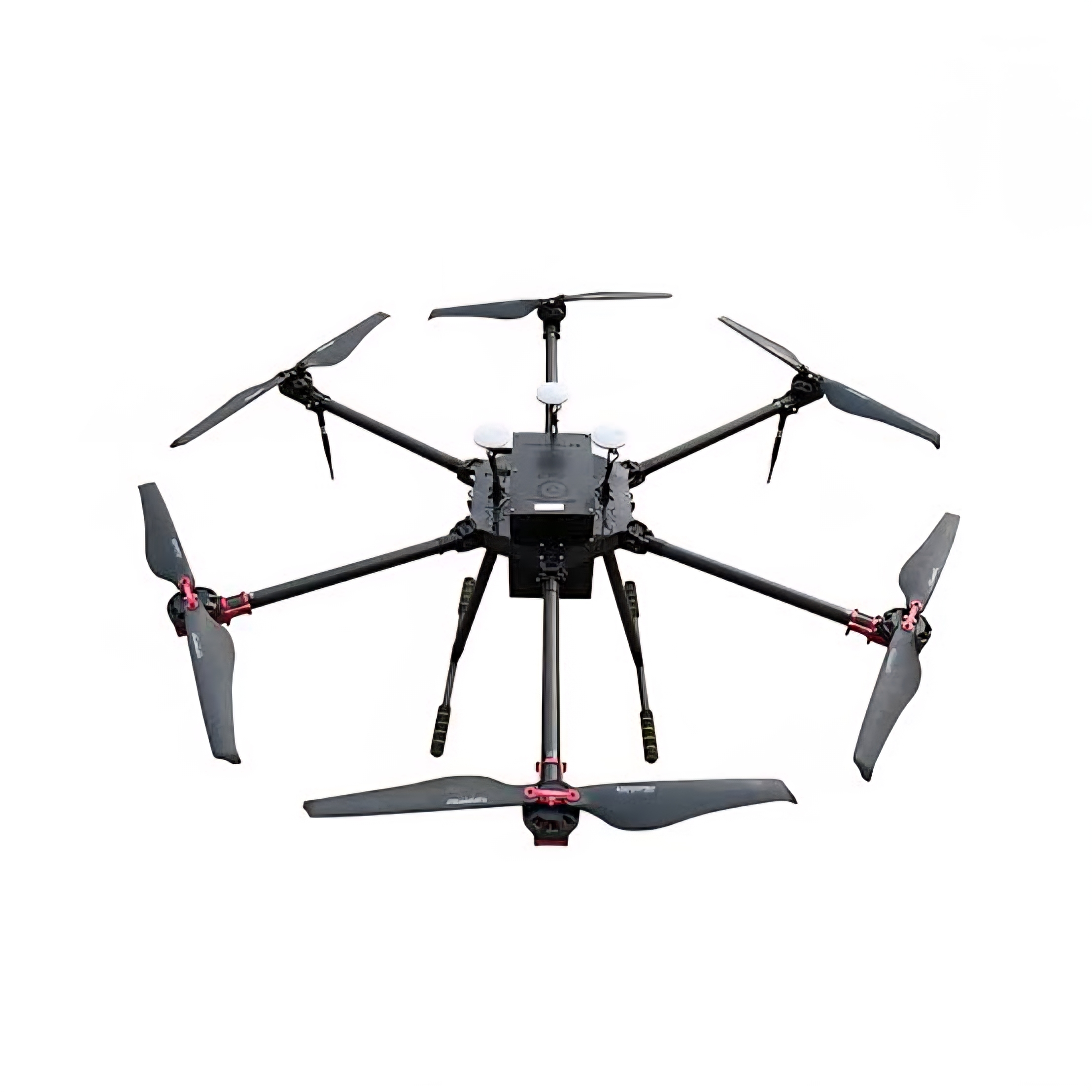
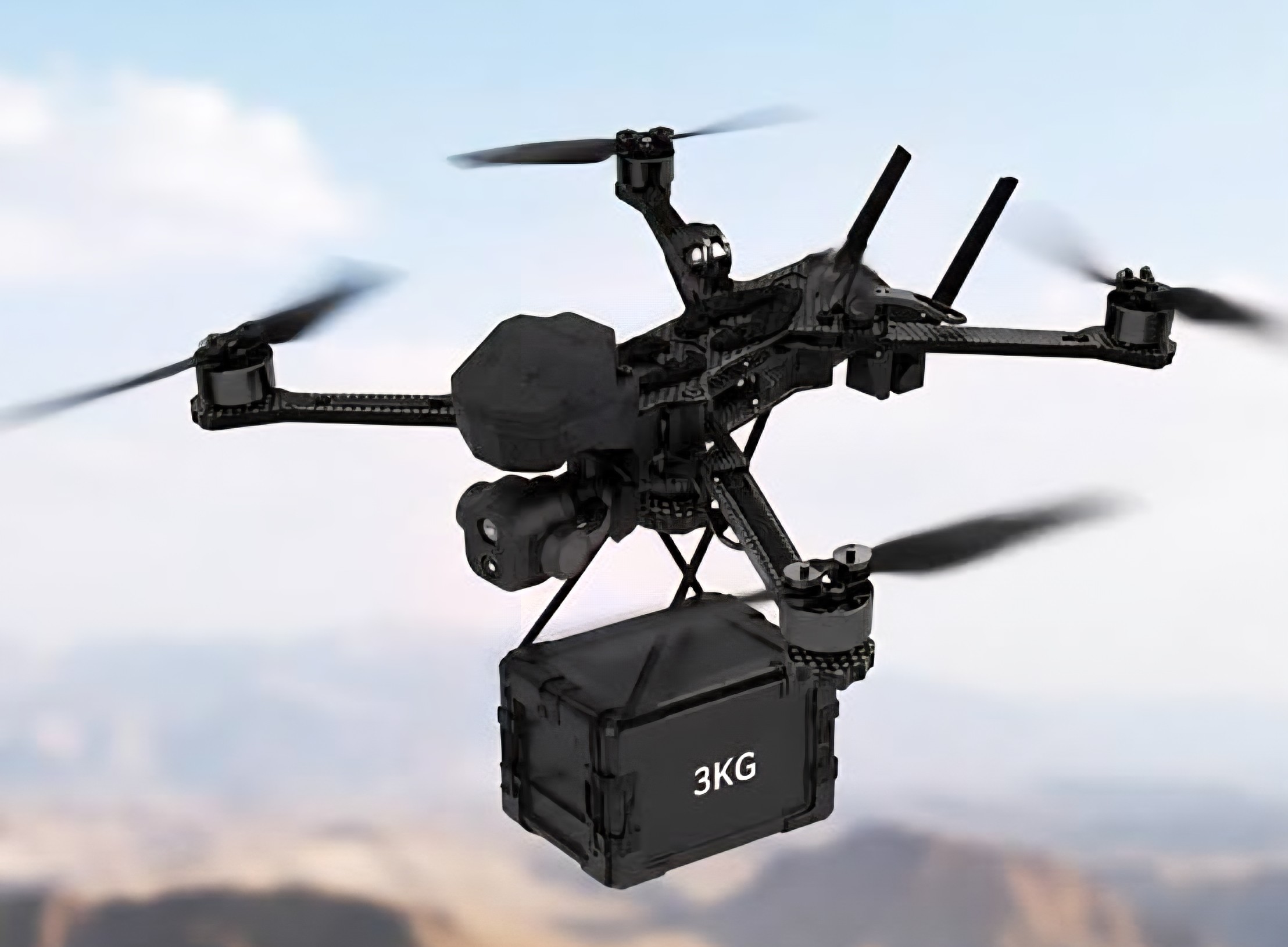
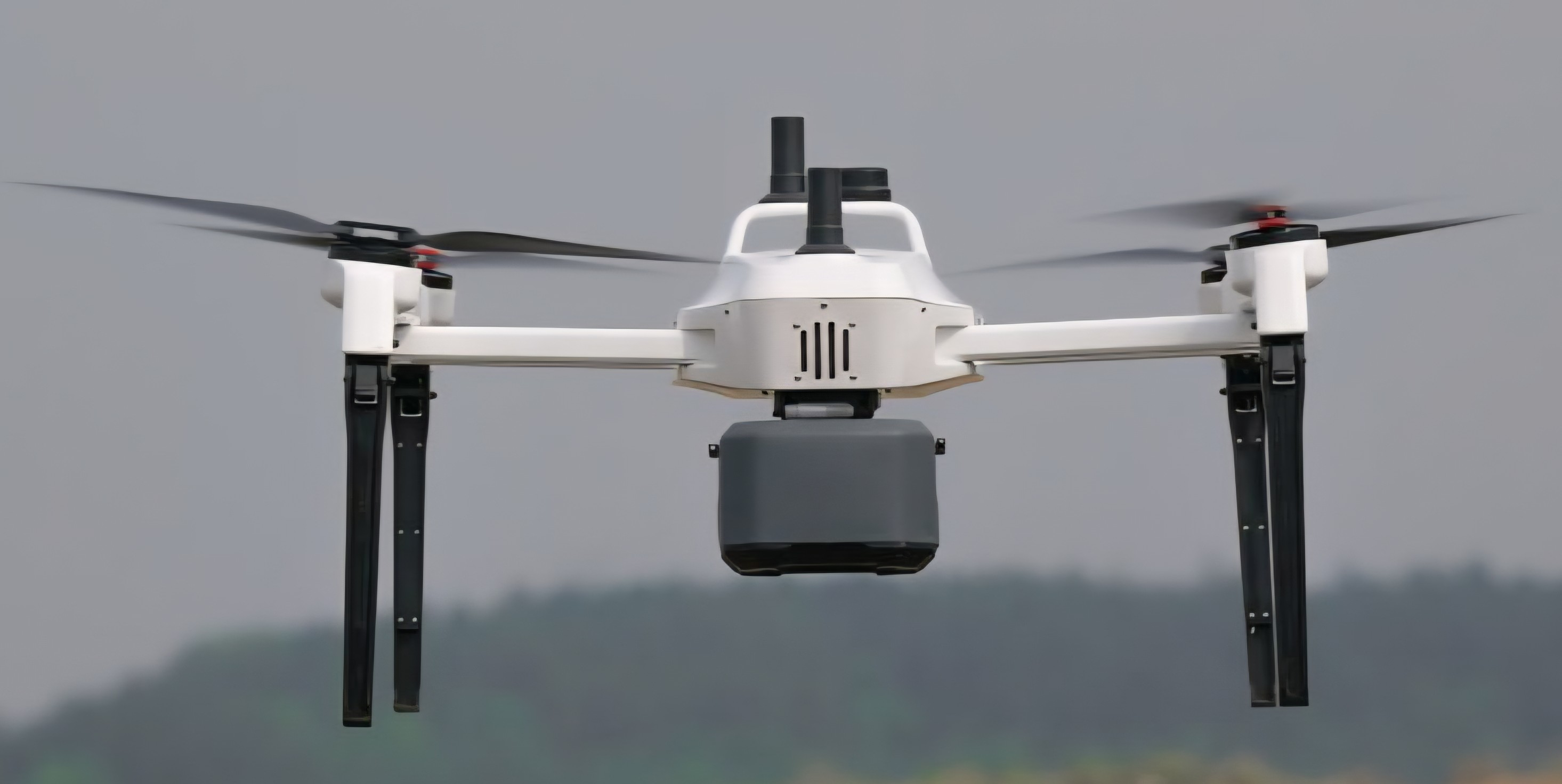
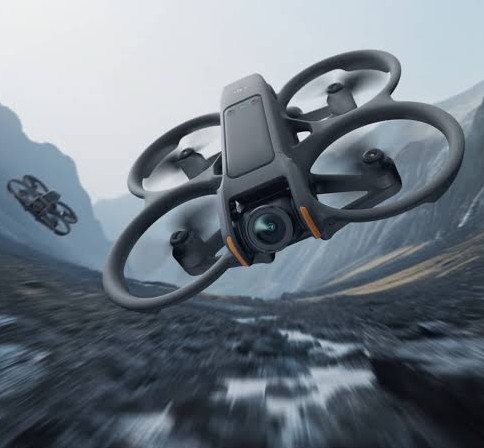
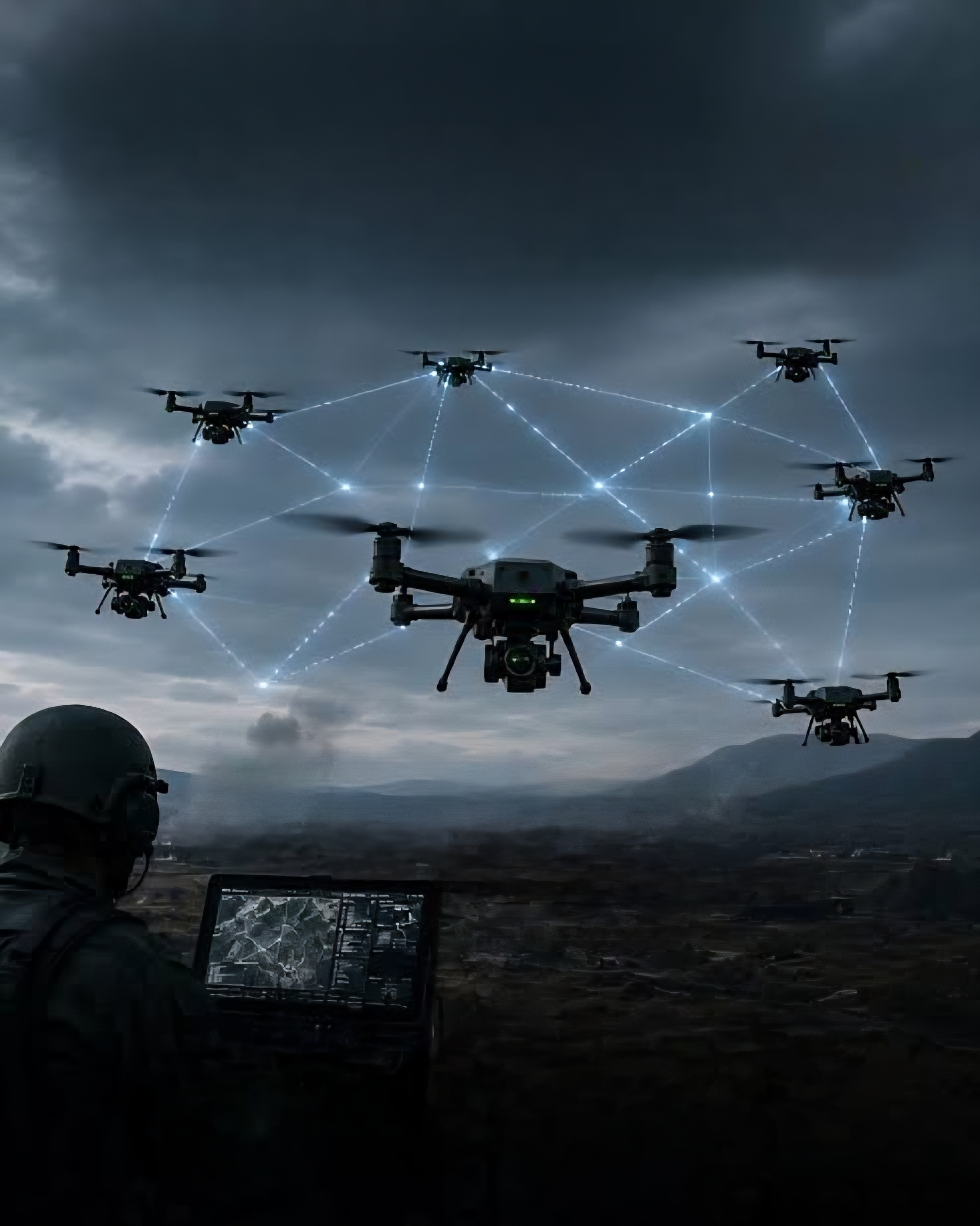
Our work spans lightweight, man-portable reconnaissance quadcopters through to more capable tactical-class systems, each selected and qualified to match the specific operational requirement.
High-resolution day imaging alongside thermal/night sensing, giving operators reliable situational awareness across a full day-night cycle, with seamless switching between imaging modes in the field.
Evaluated for real operating conditions — extreme temperature ranges, dust, humidity, and wind — not just laboratory specifications. Foldable airframes, rapid setup, and rugged transport cases.
Platforms evaluated for resilient command-and-control architectures suited to contested and electronically hostile environments, where conventional radio links may be degraded or denied.
Stabilized hold, automated return-to-launch, and AI-assisted object detection and tracking — platforms that reduce operator burden without compromising control.
Modular payload bays, interchangeable sensor packages, and mission-specific configurations — a single airframe tasked against a range of operational needs.
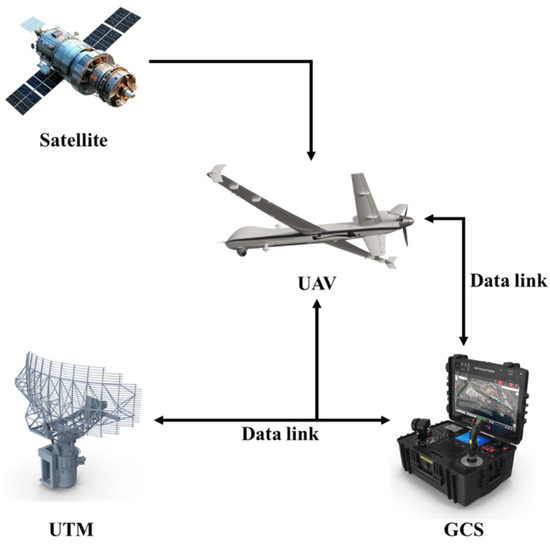
Typical UAS Command & Control Architecture
As with every OEM partnership Excel Systems enters, unmanned systems are qualified against documented technical and environmental compliance criteria before they're proposed to any end customer — the same discipline that has defined our rifle and rotary-wing programs for over a decade.